Hafsa Burt: Innovator and Sustainability Leader
Hafsa Burt is the studio head of hb+a Architects, with both undergraduate and master’s degrees in architecture and a minor in electronic design from the Savannah College of Art and Design (SCAD). Her early career includes work on a Guggenheim Museum proposal in New York at Gehry Partners and a 1.1‑million‑square‑foot mixed‑use project for Microsoft while at SOM, followed by leading the fast‑track, design‑build Secure Connector at San Francisco International Airport and a wide range of retail and commercial commissions. Across urban retail, institutional, commercial, hospitality, and mixed‑use projects, her portfolio reflects a consistent emphasis on integrated, collaborative design processes that support innovation and high performance across different building types.
Hafsa Burt’s Vision for Sustainable Architecture
Hafsa Burt is a widely recognized advocate for sustainable, high‑performance architecture, with a practice grounded in both technical rigor and climate responsibility. Her leadership at hb+a Architects is defined by a forward‑looking approach that weaves carbon, health, and resilience considerations into the design process from the outset, rather than treating them as add‑ons. Across large urban projects and finely scaled commissions alike, her work aims to advance both functionality and environmental performance, demonstrating that thoughtful architecture can serve people and the planet at the same time.
Signature Projects and Initiatives
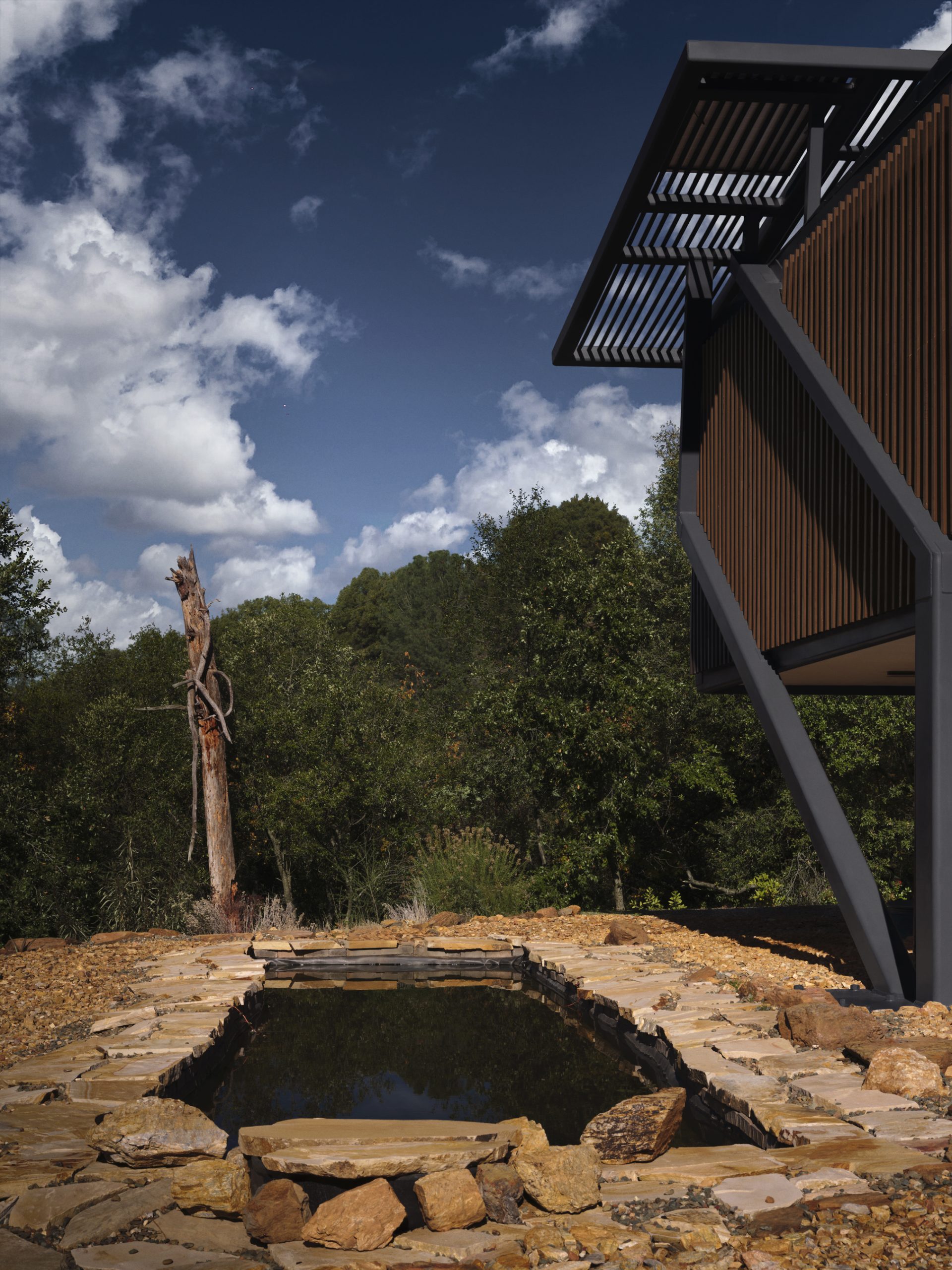
Her project work ranges from complex urban and public commissions to experimental efforts such as Box Lab, which focuses on zero‑energy, low‑carbon building strategies and next‑generation material thinking. Across these efforts, she treats each project as a test bed for resilient, climate‑aware solutions, aiming for architecture that is inventive, practical, and supportive of more sustainable communities.
Hafsa Burt’s work and perspectives on architecture and climate have been profiled widely, including recognition such as the AIA Young Architectss Award, ENR California’s 40 Under 40, and a Pioneer Award in Sustainability from Facilities Forum, underscoring her standing in the field. Through articles, interviews, and frequent speaking engagements, she uses these platforms to argue for healthier, lower‑carbon buildings and to connect design choices with broader public and environmental outcomes.


Sustainable Cities and Public Realm
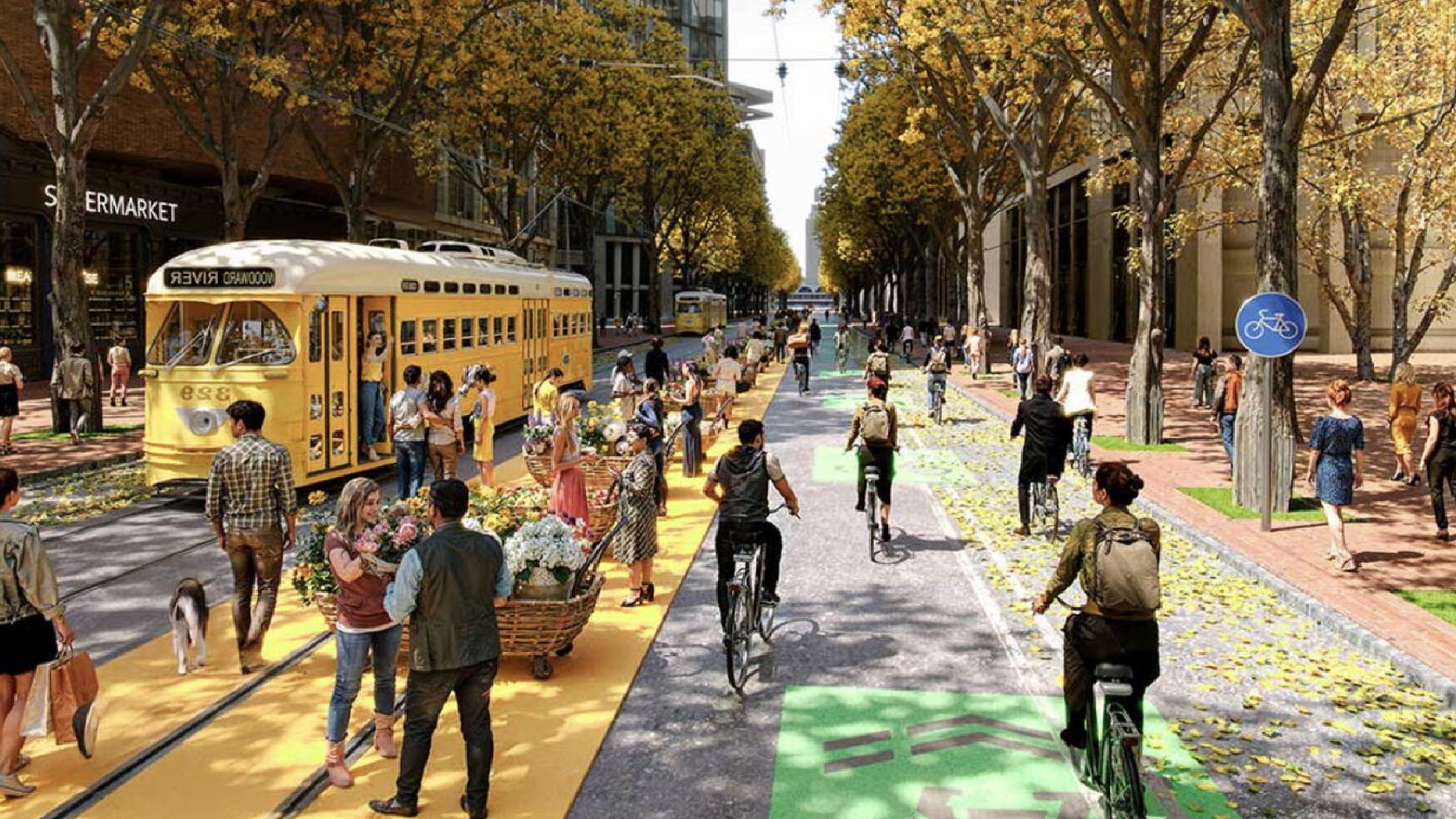
Across California, Hafsa Burt has focused on shaping urban spaces that balance environmental responsibility with everyday public use. Through hb+a Architects, she has helped turn underused sites into more active, community‑serving places—from infill and adaptive reuse work in the Bay Area to projects in Rancho Cordova and Southern California that foreground walkability, health, and resource efficiency.
Under her direction, hb+a Architects has become an early and consistent adopter of technologies, using them as tools to coordinate complex projects and drive down carbon and waste. This emphasis on digital workflows supports the firm’s broader goals: commercial and public buildings that are easier to operate, more efficient over time, and aligned with ambitious sustainability targets.
Work and Collaborations
Through collaborations the studio has engaged projects that weave local cultural context together with global best practices in sustainability, materials, and building performance. These efforts extend hb+a Architects’ California based expertise into broader conversations about how climate‑aware design can adapt to different cities and cultures while still meeting ambitious environmental goals.
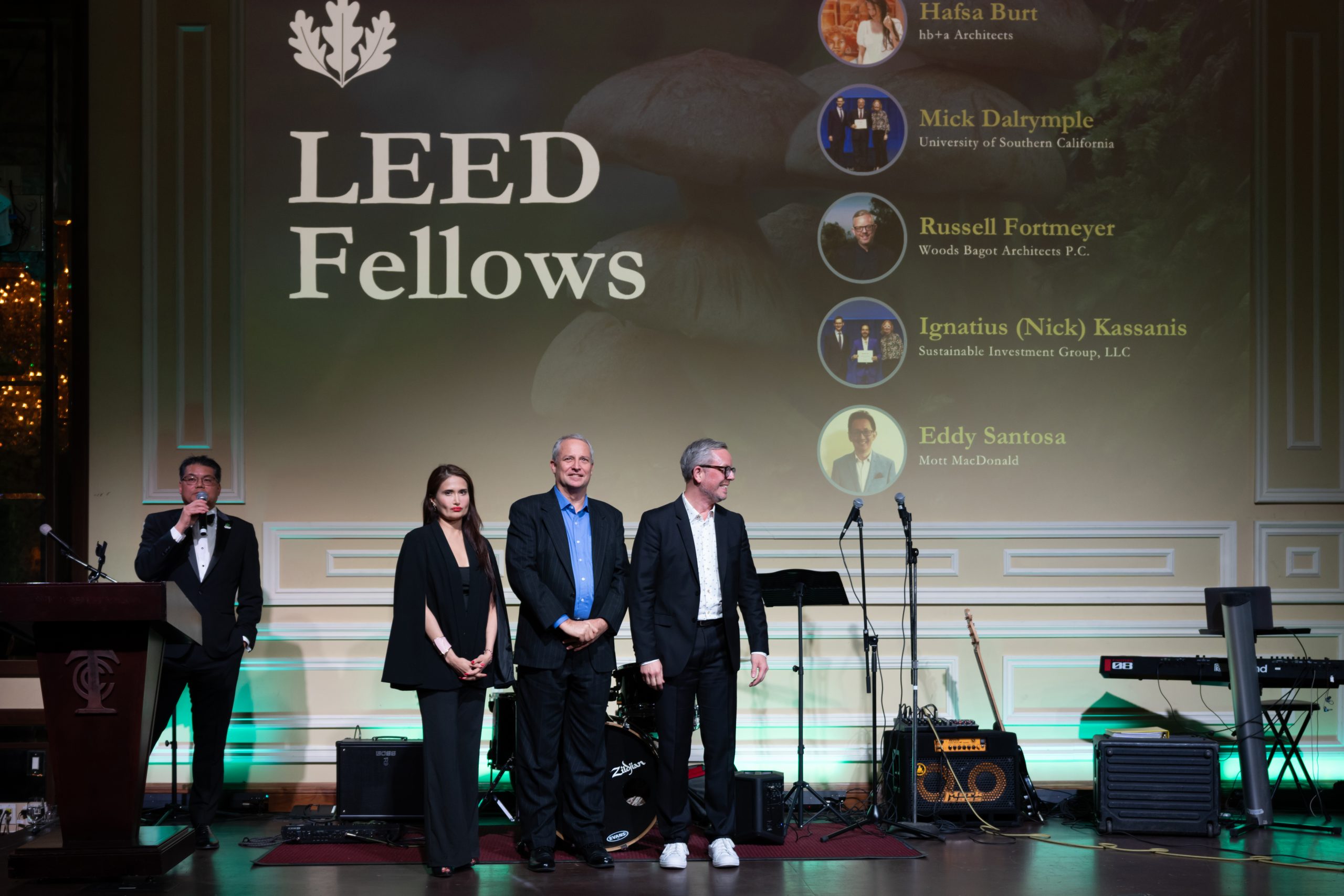
The studio’s growing list of honors reflects a long-running focus on both design quality and environmental performance. Together, these efforts highlight Hafsa’s role in advancing new standards for architecture and sustainability reinforcing her influence on contemporary practice and policy.


Vision and Upcoming Projects of hb+a Architects in California
Looking ahead, Hafsa Burt is interested in work that not only lowers carbon but also questions how much space and consumption a good life actually requires, drawing on ideas from degrowth and minimum‑impact living. Through hb+a Architects and Box Lab, this translates into prototypes and developments that favor smaller footprints, circular material flows, and resilient, off‑grid systems treating each project as a chance to test new standards for how lightly buildings can sit on the planet.